When Renting Workout Gear Actually Beats Buying It
Quick Answer: Renting workout gear makes financial sense for equipment you’ll use short-term or infrequently (a specific event, a seasonal sport, a piece you’re not sure you’ll stick with), while buying makes more sense for anything you’ll use consistently for more than a few months — the break-even point is usually 3-4 months of rental cost equaling a purchase price.
You’re staring at a $200 piece of equipment for a workout habit you’re not sure will stick, and wondering if there’s a smarter first step than committing to buy.

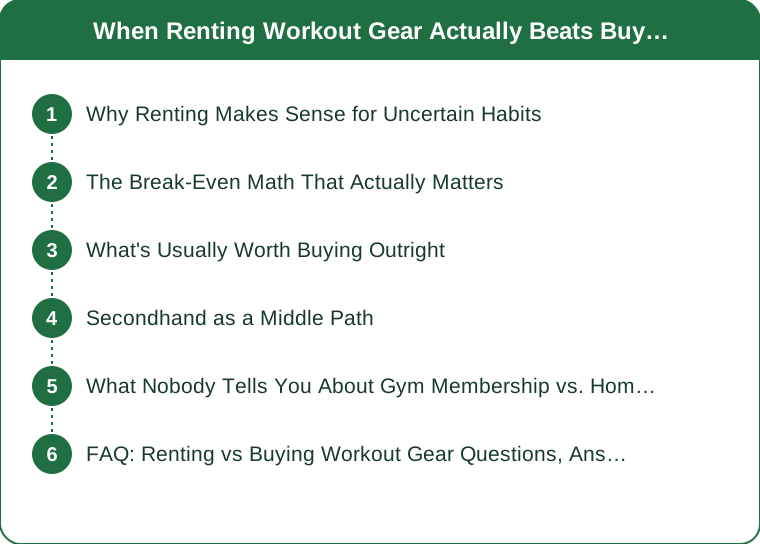
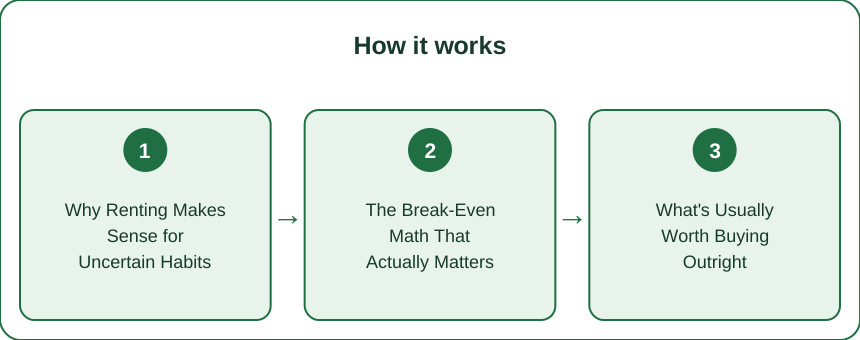
Why Renting Makes Sense for Uncertain Habits
If you’re trying a new activity (a rowing machine, a specific weight set, seasonal gear like a ski-fitness bike) and aren’t sure it’ll become a lasting habit, renting for a month or two costs a fraction of buying and removes the risk of an expensive piece of equipment becoming an unused corner fixture.
The Break-Even Math That Actually Matters
Compare the total rental cost over your expected usage period against the purchase price — if a $30/month rental would cost more than buying outright within 4-5 months, and you’re confident you’ll use it that long, buying is usually the better financial move.
What’s Usually Worth Buying Outright
Items with a low price point and daily-use potential (resistance bands, a yoga mat, basic dumbbells) rarely make sense to rent since the purchase price is already low relative to any rental fee — renting tends to make more financial sense for pricier, bulkier, or more specialized equipment.

Secondhand as a Middle Path
Buying used equipment (marketplace listings, secondhand fitness stores) often splits the difference — lower upfront cost than new, but full ownership rather than an ongoing rental fee, and resale value if the habit doesn’t stick.
What Nobody Tells You About Gym Membership vs. Home Equipment Math
A short-term gym membership to access equipment you’re testing out is sometimes cheaper than renting the equivalent home equipment, especially for large items like a full squat rack — comparing all three options (rent, buy, gym access) rather than just rent-versus-buy gives a more complete cost picture.
FAQ: Renting vs Buying Workout Gear Questions, Answered
Are there reputable places to rent fitness equipment short-term?
Specialty rental services exist in many cities for larger items, and some local gyms or sporting goods stores offer short-term equipment rental or trial periods worth checking before buying.
Does renting ever include maintenance or repairs?
Many rental agreements include maintenance as part of the fee, which is an added cost-saving benefit compared to owning equipment that eventually needs repair or part replacement.
Is buying used equipment riskier than renting?
Slightly, since used equipment doesn’t come with the same guarantees a rental service provides, but checking the equipment in person before buying and confirming it functions properly minimizes most of that risk.
TL;DR:
- Rent for uncertain habits or short-term needs; buy for consistent long-term use
- Compare total rental cost over your expected usage window against the purchase price
- Low-cost daily items (bands, mats) almost always make more sense to buy than rent
- Consider gym access as a third option alongside rent-versus-buy for pricier equipment
The smartest budget move is testing a habit at the lowest possible cost first, then upgrading to ownership only once you know it’s going to stick.
See It in Motion
Seen here: UPF 50+ Racerback Yoga Tank Top — shop it on bubblelime.com
Keep Reading
This article is for general informational and styling purposes only. Fit, sizing, and product availability may vary.