How to Spot Real Activewear Quality Without Paying Premium Prices
Quick Answer: Quality in budget activewear comes down to four things you can check before buying: fabric weight (thicker holds shape longer), flatlock seams (they don’t chafe or unravel), a wide waistband (won’t roll), and opacity when stretched. Price alone tells you almost nothing.
You’ve bought the $15 leggings that pilled after two washes, and you’ve bought the $60 pair that still looks new a year later — and honestly, sometimes it’s the other way around. Price and quality don’t always move together, which is exactly why so many budget shoppers get burned.

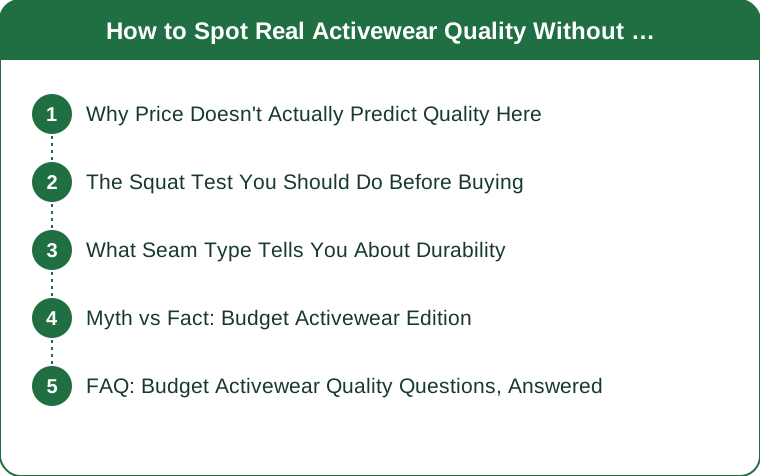
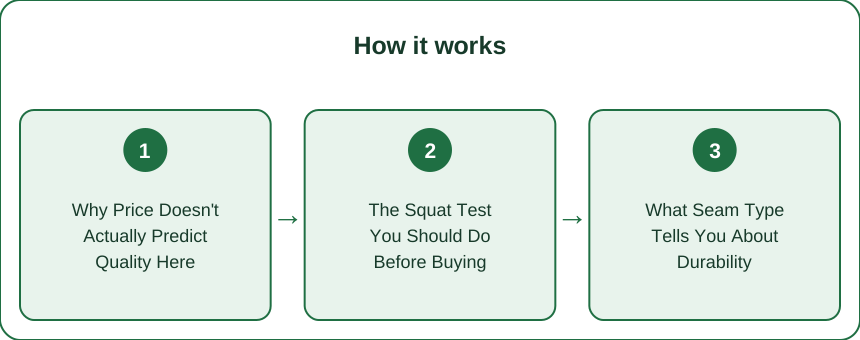
Why Price Doesn’t Actually Predict Quality Here
Activewear pricing is driven as much by brand marketing and store overhead as by actual fabric cost. A $50 pair of leggings from a mall brand and a $22 pair from a direct-to-consumer label can use nearly identical fabric blends — the difference is what you’re paying for the logo and the storefront, not the stitching.
This means the smartest budget shoppers stop using price as a proxy and start checking the same four physical details every time, regardless of what the tag costs. Fabric weight, seam type, waistband construction, and stretch opacity predict longevity far better than the price tag does.
The Squat Test You Should Do Before Buying
If you’re shopping in person, do a squat test in the fitting room before anything else. Squat down fully and check the fabric at the back of the thighs and seat under maximum stretch — if you can see your skin tone or underwear line through the fabric, it will only get more sheer with wash cycles.
Online, look for reviews that specifically mention squat-testing, and check if the product page states an opacity guarantee. Brands confident in their fabric usually say so directly rather than leaving it to guesswork.
What Seam Type Tells You About Durability
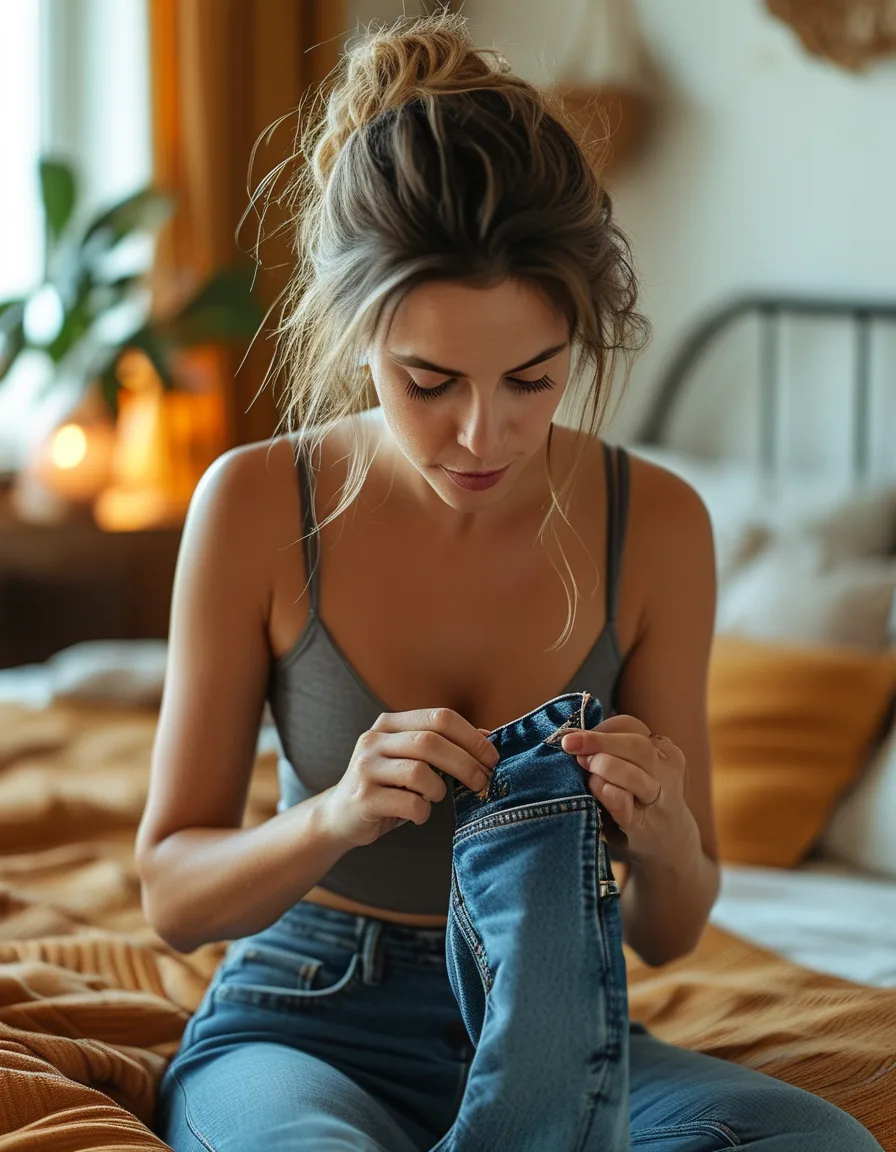
Flip any activewear piece inside out and look at the seams. Flatlock seams lie flat against the skin and are stitched with overlapping thread that resists unraveling — this is the standard for anything meant to survive regular wear and washing. Serged or overlocked seams (the ones that look like a zigzag edge) are cheaper to produce and more prone to fraying after repeated washes, especially at high-stress points like the crotch and underarms.
A wide, low-stretch waistband — at least 3 inches — is another reliable marker. Thin, narrow waistbands roll down within a few wears no matter how good the rest of the garment is, which is one of the most common budget-activewear complaints.
Myth vs Fact: Budget Activewear Edition
Myth: Higher price always means better fabric. Fact: many premium brands use the same fabric mills as budget brands — you’re often paying for design and marketing, not material.
Myth: Polyester is always low quality. Fact: polyester-spandex blends (roughly 80/20 to 90/10) are actually the industry standard for durability and shape retention across nearly all price points.
Myth: You have to buy in-store to check quality. Fact: reading the fabric composition and gsm (fabric weight) in the product description, plus checking recent reviews for pilling or sheerness complaints, works nearly as well as an in-person check.
FAQ: Budget Activewear Quality Questions, Answered
What fabric weight should I look for in leggings?
Aim for at least 250 gsm (grams per square meter) if it’s listed — anything lighter tends to feel thin and become see-through faster under stretch.
How many washes should decent budget leggings survive before pilling?
A reasonably well-made pair should handle 40-60 washes without significant pilling if washed cold and air-dried; pilling after under 10 washes usually signals low-quality fabric.
Are cheaper activewear brands worth buying at all?
Yes — several budget-focused brands use solid 4-way stretch blends and flatlock seams at a fraction of premium prices; the key is checking the specific construction details rather than assuming price sets quality.
TL;DR:
- Check fabric weight (250+ gsm), seam type (flatlock, not serged), and waistband width (3+ inches) before price
- Do a squat test in-store, or check reviews for sheerness complaints online
- Price and quality often don’t correlate in activewear — marketing costs, not fabric costs, drive a lot of the price gap
- A well-made budget pair can outlast a poorly-made premium one
Next time you’re shopping, skip the price tag as your quality signal and check the fabric and seams instead — it takes 30 extra seconds and saves you from another pilled, see-through pair.
See It in Motion
Seen here: Super High Waist Embossed Yoga Leggings with Inner Pocket — shop it on bubblelime.com
Keep Reading
This article is for general informational and styling purposes only. Fit, sizing, and product availability may vary.